How do I get into flow?
Four phases, one cycle. Why the state can be prepared for, and why motivation is not enough.
Speaking
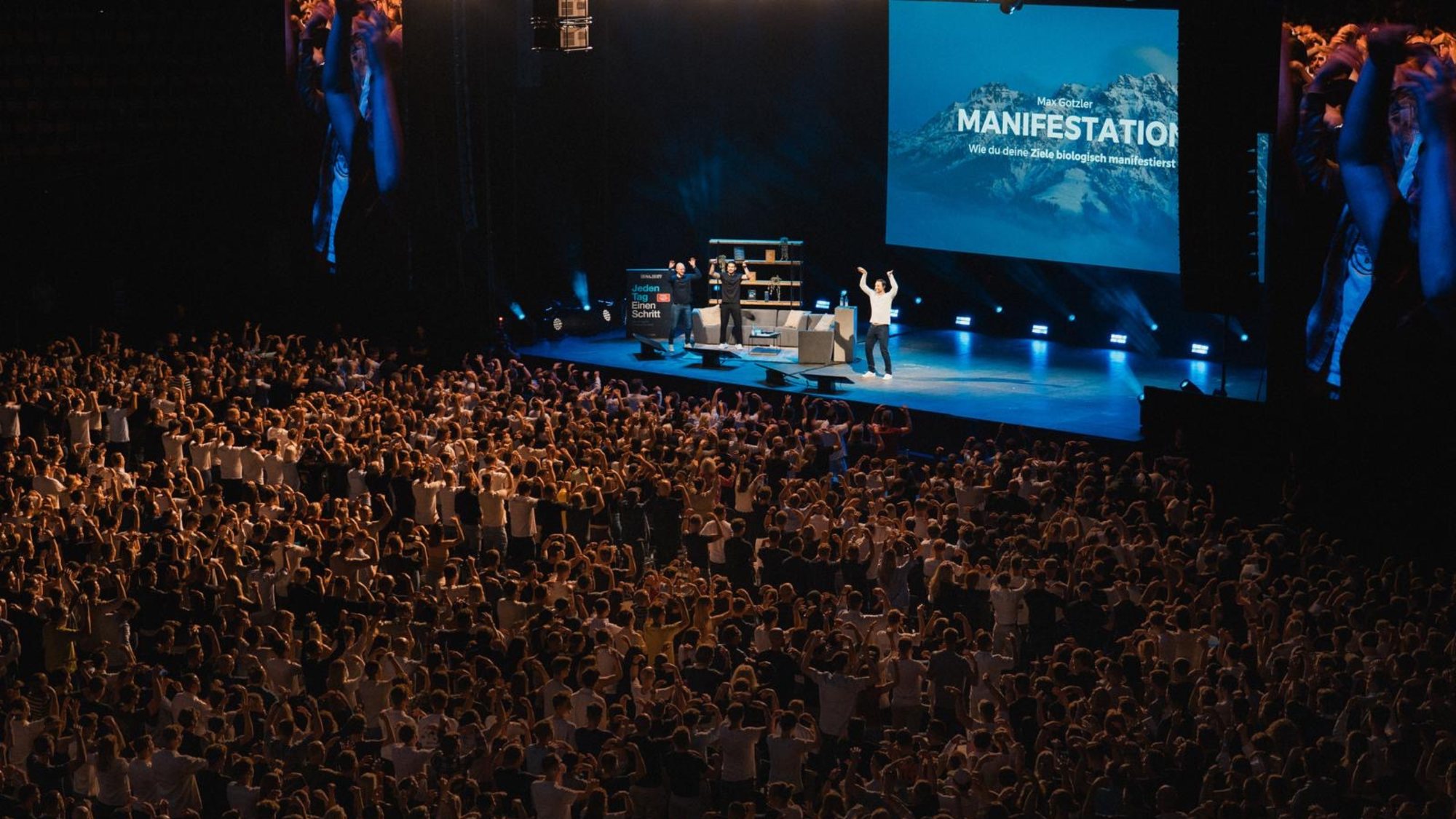
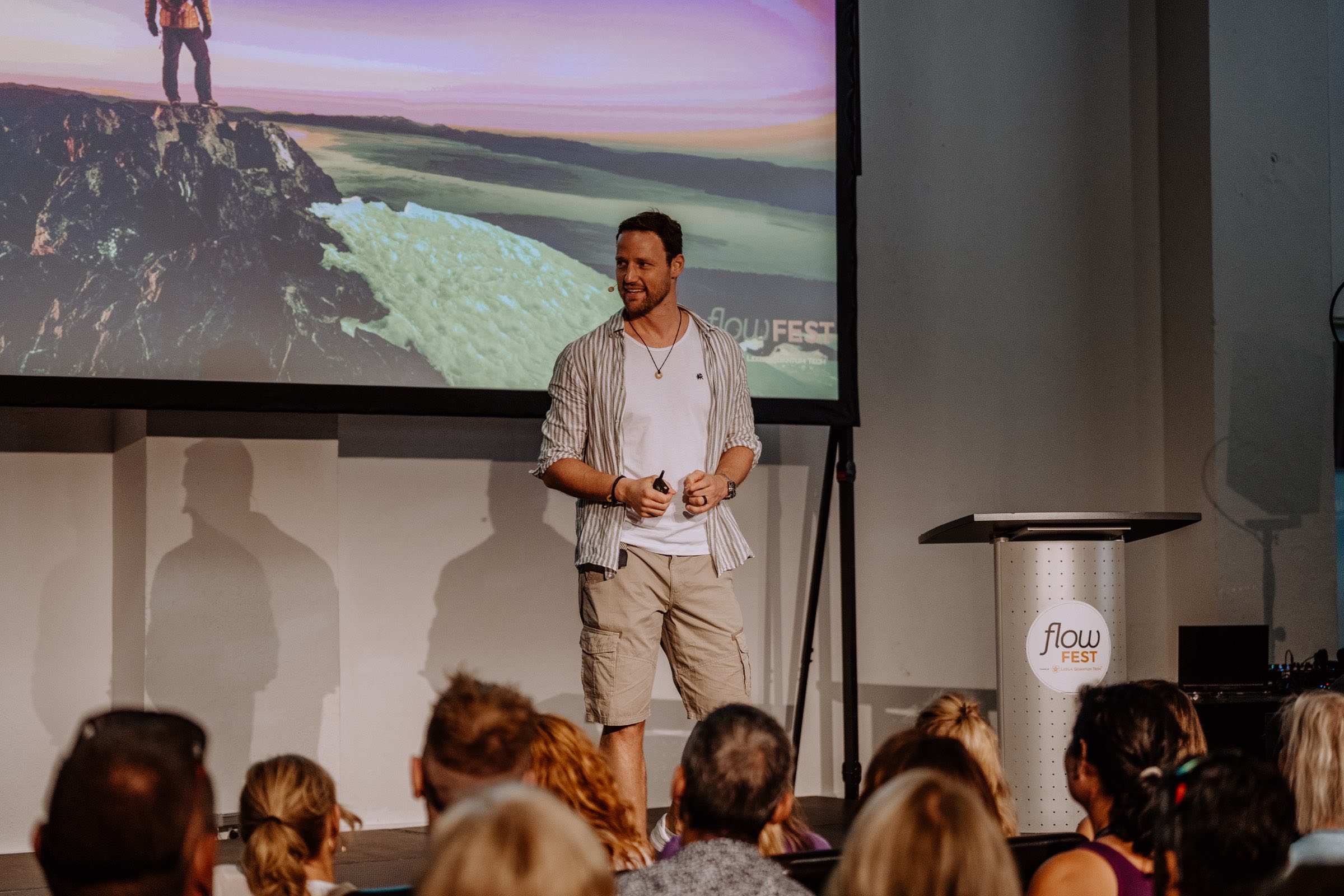
45 to 90 minutes on flow, energy and recovery. At the end there is one thing everyone in the room can do from tomorrow.
Booked by
The model
Mihály Csíkszentmihályi described what the state actually depends on: the relationship between what a task demands and what a person can do. Too much demand and you get anxiety. Too little and you get boredom. Between them sits a narrow band.
The edge keeps moving. As people get better, they need more demand to reach the same state. That is why my talks are not about motivation but about the conditions under which a team keeps finding that edge.
Drawn after Mihály Csíkszentmihályi. The four phases on the home page go back to Herbert Benson; Steven Kotler made them widely known.
Topics
All of them rest on my book Die Flow-Formel (2025). Each one works as a keynote, as a keynote with Q&A, or as a half-day session.
Four phases, one cycle. Why the state can be prepared for, and why motivation is not enough.
Energy, awareness, connection, growth. Four pillars instead of good intentions.
Biological manifestation: 60,000 thoughts a day, and how the brain decides which ones count.
Not simply living longer, but staying in shape while you do. What actually decides it.
Sleep, nutrition, movement, stress, relationships, surroundings. Six levers, honestly sorted.
The dark side of flow. What comes after the peak, and how a team handles it.
Ten years of self-measurement, and what survived it. I learned this the hard way.
Effect
Leaders report being roughly five times more productive in flow, according to a survey by McKinsey. So the question isn't whether it pays off. It's how to make that state show up on purpose.
If you want, we measure it: a short survey before the talk, the same one four weeks later. You get the results either way, including the uncomfortable ones.
Boundaries
If that's what you need, I'll say so on the call and point you to someone who fits better.
Process
01
I usually reply within two business days.
02
30 minutes: who is in the room, and what should be different when they leave.
03
The talk itself, plus material for the weeks after.
Practical
Flow appears exactly when thorough preparation meets the willingness to let go of the outcome completely, at the decisive moment.
From Die Flow-Formel, translated“600 people in the room, and at ten at night thirty of them were still arguing about it at the bar.”
As seen in
Coverage

Contact
Five fields. Everything else we sort out on the call.
Or just email me: office@flowgrade.de
Rather talk it through? Pick a slot in my calendar and we can sort it out in one conversation.
Got it. I usually get back to people within two business days.